
Modern mobile productivity is often misunderstood as replying to emails faster from your lock screen. On Android, true productivity stems from the platform’s open filesystem, flexible intent sharing, and background automation capabilities. When configured intentionally, Android operates as a full-fledged portable knowledge station.
Curating the best productivity apps android offers allows power users to construct an uninterrupted workflow—from rapid voice and text capture to automated backup and desktop docking.
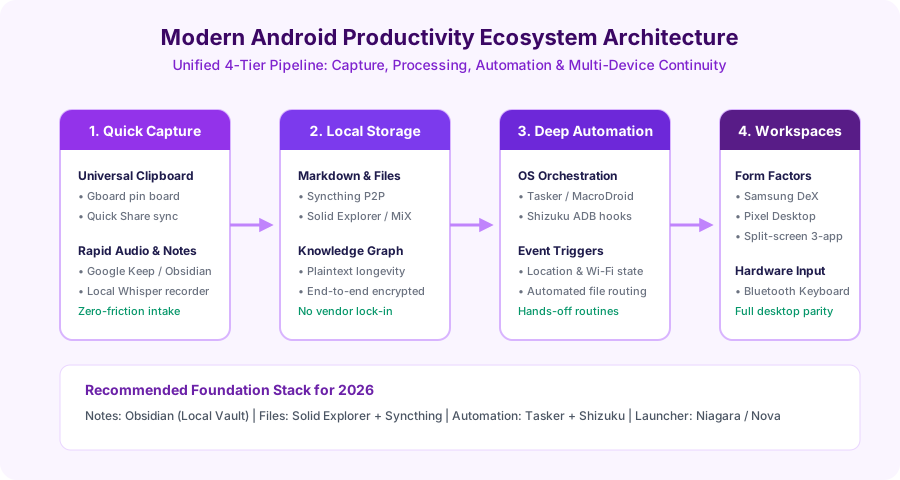
1. Quick Capture: Frictionless Idea & Data Intake
Productivity collapses when friction delays idea capture. The most effective must have android apps are those that minimize clicks between inspiration and storage:
- Quick Notes & Scraps: Use lightweight widgets like Google Keep for temporary grocery lists and fleeting thoughts, while keeping a dedicated capture shortcut to your primary knowledge base.
- Gboard Clipboard Management: Enable the pinned clipboard in Gboard. Pin frequently reused project URLs, standardized customer reply snippets, and tax IDs so they remain accessible across every application without switching windows.
- Voice-to-Text Transcription: Leverage local on-device transcription tools powered by lightweight Whisper models to draft comprehensive voice memos while walking or driving, bypassing the latency of cloud uploads.
2. Knowledge Management & Local File Ownership
Relying exclusively on proprietary cloud notes risks vendor lock-in and search delays. Building an enduring second brain requires plaintext formats stored directly on your device storage:
- Obsidian (Markdown Vaults): Stores all your notes as standard
.mdfiles on your device. It requires zero subscription fees for offline usage, loads instantly, and supports deep bidirectional linking. - Syncthing (P2P Private Sync): Replaces cloud storage silos by synchronizing your documents, camera archives, and code repositories directly between your Android phone, desktop PC, and NAS using encrypted peer-to-peer transfers over local Wi-Fi.
- Solid Explorer / MiXplorer: Advanced dual-pane file managers capable of connecting to WebDAV, SMB, and SFTP endpoints, granting laptop-grade file manipulation capabilities from your handset.
3. Deep Automation: Hands-Off Daily Routines
Android’s distinct advantage over closed mobile platforms is its programmatic automation engine. Setting up android workflow automation apps transforms your device from a reactive notification center into an active personal assistant:
[Trigger: Connect to Office Wi-Fi]
  → Set Ringer to Vibrate
  → Enable Work Do-Not-Disturb Profile
  → Launch Calendar Daily Agenda in Floating Window
→ Route All Camera Screenshots to /Vault/Work/Captures/- Tasker + Shizuku: By leveraging Shizuku to grant elevated ADB permissions wirelessly without rooting, Tasker can toggle system settings, control app permissions, and automate repetitive data entry routines.
- MacroDroid: An approachable alternative with an intuitive trigger-action interface, ideal for beginners establishing geolocation and Bluetooth-driven automation rules.
4. Expanding to the Desktop: Multi-Window & DeX Workstations
When it comes to in-depth research and document drafting, mobile glass touchscreens hit ergonomic limits. High-end Android devices feature native desktop extension environments:
| Platform Feature | Implementation | Best Use Case |
|---|---|---|
| Samsung DeX | USB-C to Monitor / TV | Full desktop interface with resizable floating windows and taskbar |
| Android 15+ Desktop Mode | DisplayPort Alternate Mode | Clean windowed workstation for Pixel and stock Android devices |
| Split-Screen App Pairs | OS App Pair Shortcuts | Launch reference PDF and note-taking document side-by-side with 1 tap |
By outfitting your handset with these essential apps for android phone users, you eliminate workflow friction, secure your personal files, and unlock professional-grade computing mobility.
Frequently Asked Questions
What are the best productivity apps for Android in 2026?
The leading stack combines Obsidian for future-proof local markdown note-taking, Syncthing for peer-to-peer file synchronization, Solid Explorer for file management, and Tasker with Shizuku for deep operating system automation.
Can an Android phone replace a laptop for knowledge work?
With modern desktop modes like Samsung DeX or Android Desktop, pairing an external monitor and physical keyboard provides true multi-window multitasking, terminal access, and document editing.
How do automation apps improve Android daily workflows?
Automation apps like Tasker and MacroDroid trigger conditional actions based on Wi-Fi state, calendar events, or NFC tags, automatically routing screenshots, switching focus modes, and logging expense receipts.
Related Articles
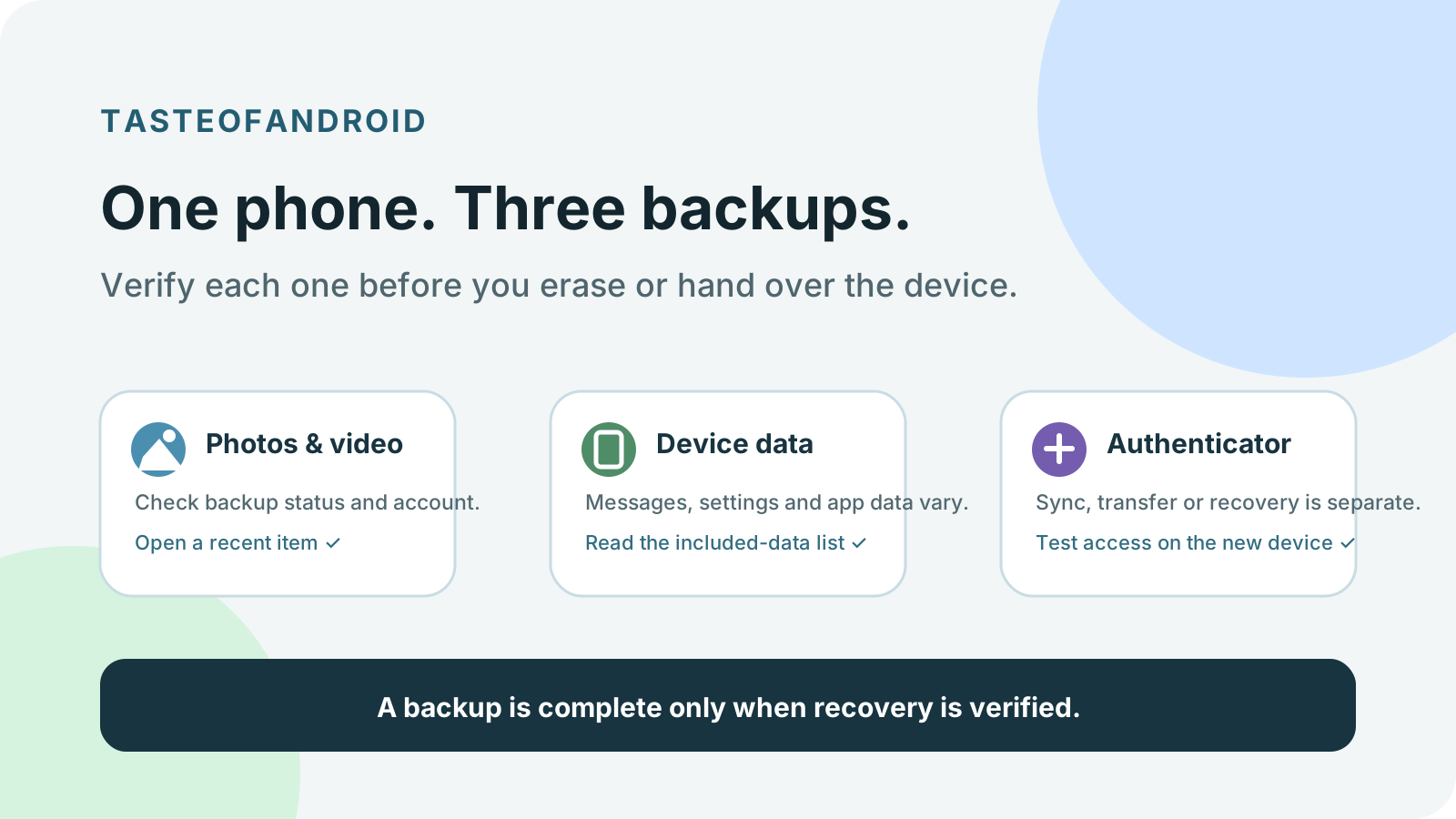
How to Back Up an Android Phone in 2026: Photos, Messages and Authenticator Codes
Back up Android photos, messages and authenticator access as separate systems, then verify each one before a reset, repair, sale or trade-in.
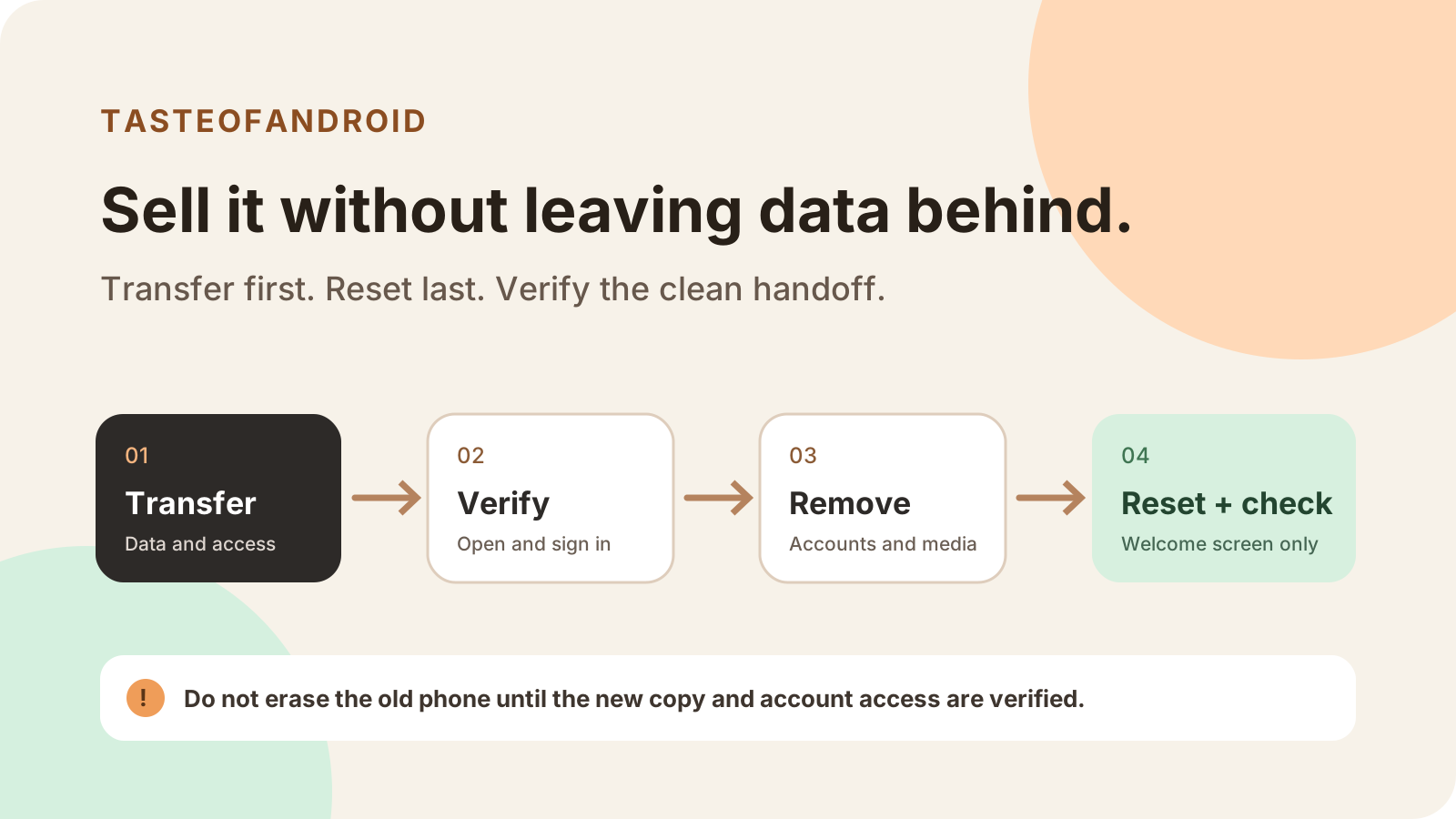
Before You Sell Your Android Phone: The 2026 Privacy Checklist
Before selling an Android phone, verify data and sign-in access, move device-bound services, remove accounts and removable items, then reset safely.
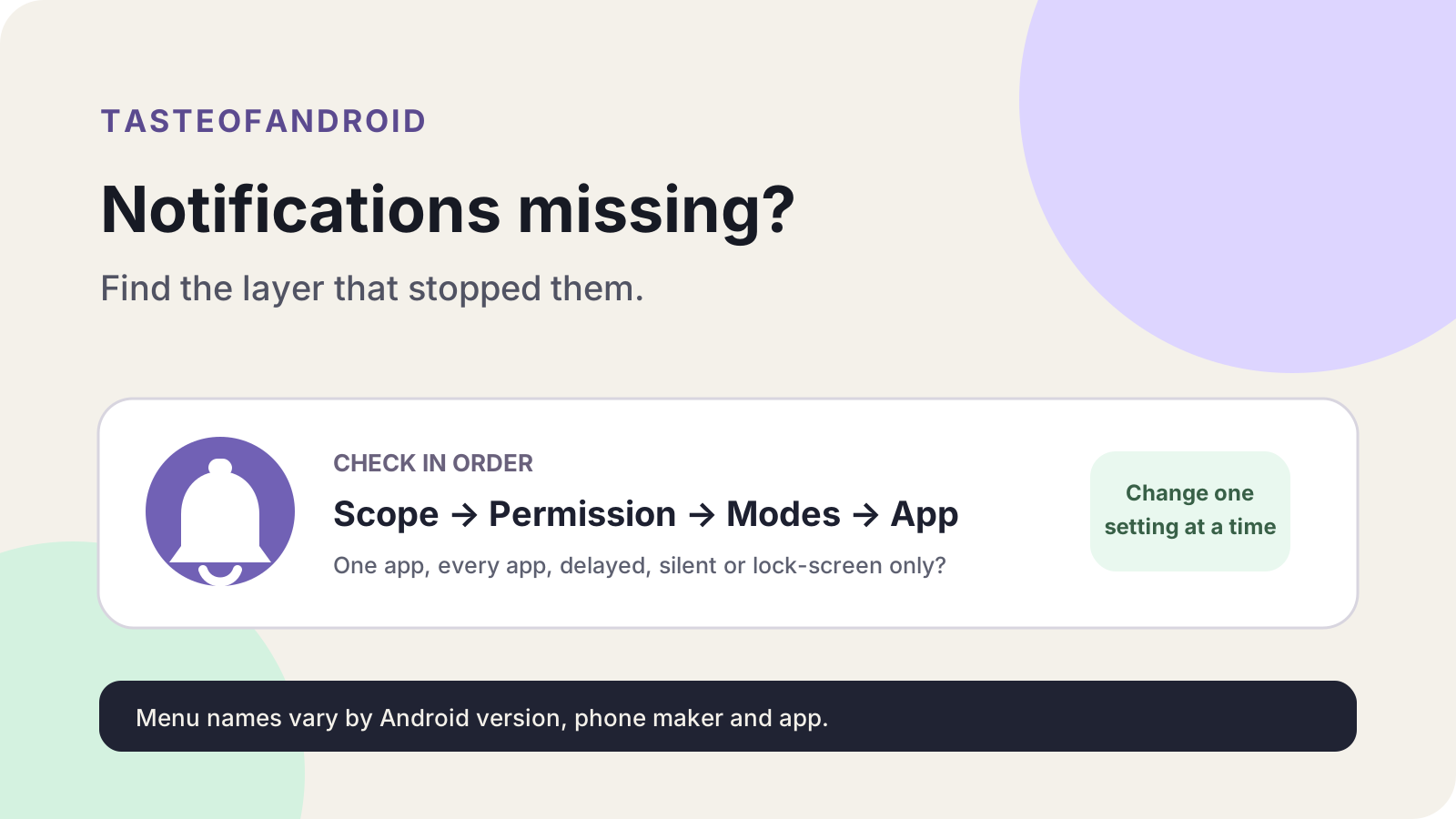
Android Notifications Not Working? What to Check in 2026
Fix missing, delayed, silent or lock-screen Android notifications with a symptom-first checklist that keeps every change narrow and reversible.