
Contents
- One device, or a camera that stays a camera
- The speed numbers use different units
- Optical zoom and crop are different paths
- Vertical video, audio, and the storage you actually keep
- Color tools on the two pages
- The China sales clock is not a camera purchase
- Who should carry which device
- FAQ
- Does Luna Ultra stand in for every pocket gimbal camera?
- Does the 240-minute Luna figure cover 4K with the screen on?
- Can the 16GB/1TB China shop SKU be checked out on its own?
A stopped gimbal arm wastes the shots that need a moving camera head. Choose the HONOR Robot Phone when one Android phone has to capture, edit, and upload, and choose the Insta360 Luna Ultra when the job is recording on a pocket gimbal camera.
The HONOR Robot Phone is the one-device fit. Luna Ultra is the recording-day fit. HONOR’s March 1, 2026 Barcelona note is a preview of a 4DoF gimbal phone. The August 12, 2026 statement is the China sales clock: China pre-orders at 8:30 PM on August 12, and official China sales at 10:08 AM on August 18. That sentence names China and prints no time-zone abbreviation, and it names no sales date for any other country. Luna Ultra’s hardware manual lists a June 10, 2026 release date, a 3-axis gimbal, a 1-inch main lens at 20 mm equivalent, and a separate telephoto. Read the Luna Ultra column. The same manual’s Luna Pro column is a different camera.
Scroll horizontally to view all table columns.
| Item | HONOR Robot Phone | Insta360 Luna Ultra | Dominant failure mode |
|---|---|---|---|
| Job | Android phone with a moving main camera, plus edit and upload on the same device | Dedicated dual-lens pocket gimbal camera | Treating a phone arm and a camera grip as the same tool |
| Clock | March 1, 2026 preview. August 12, 2026 China sales statement. Shop listing month August 2026 | Manual release date June 10, 2026 | Buying from the March preview, or from the Luna Pro column |
| Moving camera | 200MP, 1/1.28-inch, f/1.6, OIS, 3-axis mechanical stabilization | 1-inch, f/1.8, 20 mm equivalent, about 50MP | A stopped phone arm. The signature moves live in that head |
| Other framing | Separate 200MP 2.7x optical periscope and 50MP 122° ultrawide | 1/1.3-inch, f/2.0, 60 mm equivalent telephoto | Calling a main-sensor crop, or Luna’s 15x claim, optical |
| Speed ceiling | Up to 360°/s. Maximum is exclusive to Robot Mode and changes by scene | 210.0°/s maximum control speed. Jitter suppression ±0.005° | Comparing 0.005 mm machining precision with ±0.005° of angle |
| Storage | Shares the phone. The 16GB+1TB China shop SKU is not sold on its own | 47GB internal, plus Lexar or SanDisk microSD up to 2TB | A full 47GB card slot left at home, or a phone full of other files |
| Runtime figure | 7,060 mAh typical and 6,880 mAh rated. 120W wired and up to 50W wireless, with charger conditions | 1,550 mAh in the camera. 240 minutes at 1080p/24, 25°C, screen off, Wi-Fi off | Using either figure as an all-day 4K runtime |
| Color path | ARRI LogC3, Wide Gamut 3, ARRI Looks, 10-bit 4:2:2 APV, DaVinci Resolve tools | 10-bit I-Log, ACES, Leica profiles. The page also names I-Log2 for DaVinci | Grading a mode the installed firmware does not record |
| Environment | China page: one free gimbal repair for accidental damage within one year | Manual: not waterproof, not splashproof, not dustproof | Rain or dust on Luna. An arm fault outside that China repair |
Phone rows come from HONOR’s China product page, August 12 statement, global product page, March 1 preview, and the 16GB+1TB shop page, all fetched October 18, 2026. [1] [2] [3] [4] [5] Luna rows come from the hardware manual and the product page reached the same day. [6] [7]
One device, or a camera that stays a camera
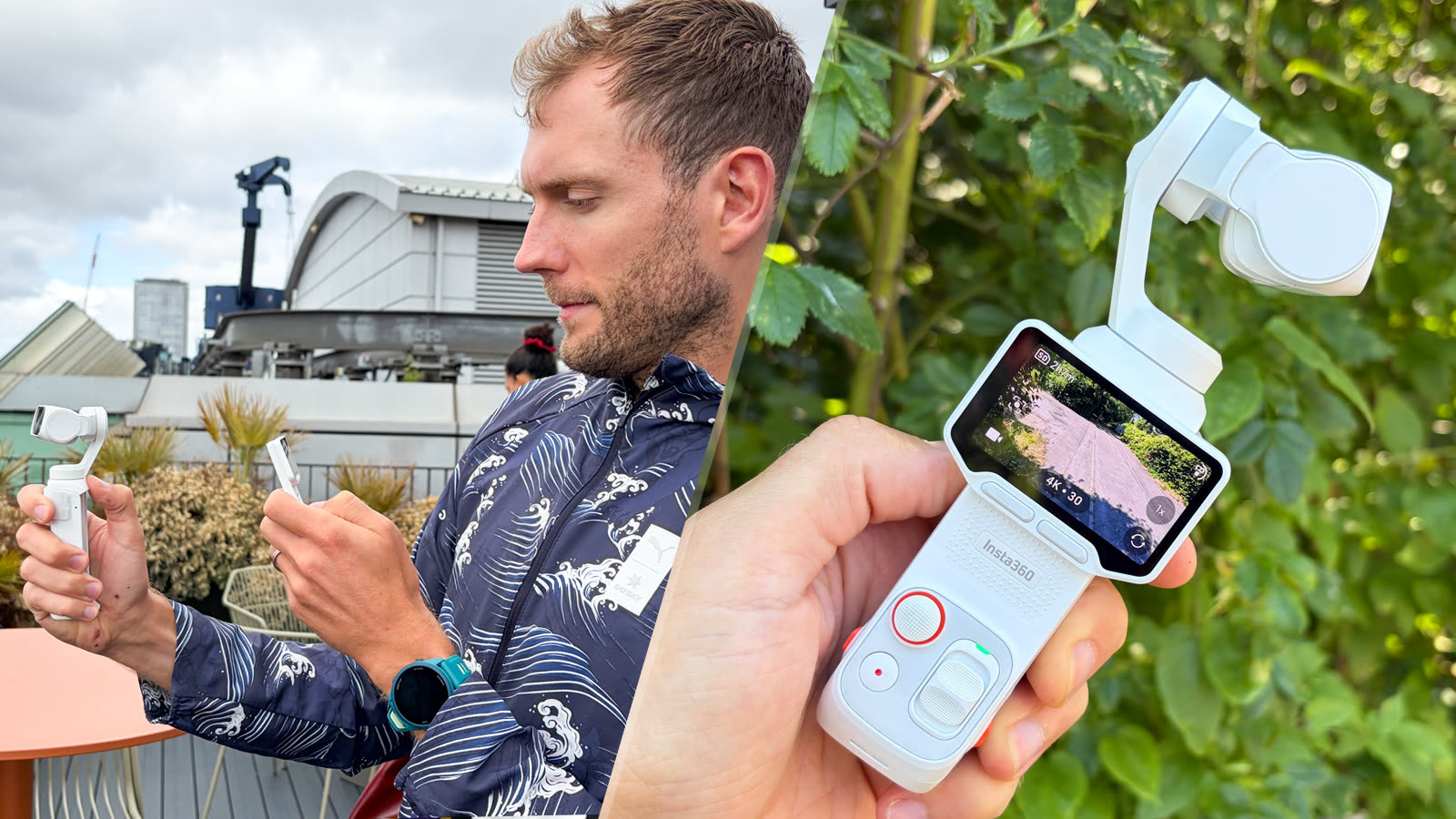
The Robot Phone is a Snapdragon 8 Elite Gen 5 Android phone with a camera head that moves. The August 12 statement calls the platform Snapdragon 8 Elite Gen 5. The 16GB+1TB shop spec prints the same platform as 第五代骁龙8至尊版, eight cores, a 6.31 inch FHD+ screen at 1216 x 2640, and dual SIM as 双卡双通. Capture, a phone call, and the upload all sit on that one body. The HONOR Robot Phone buying analysis separates the March preview, the August China sales statement, and the shop SKU that is not sold alone. [2] [5]
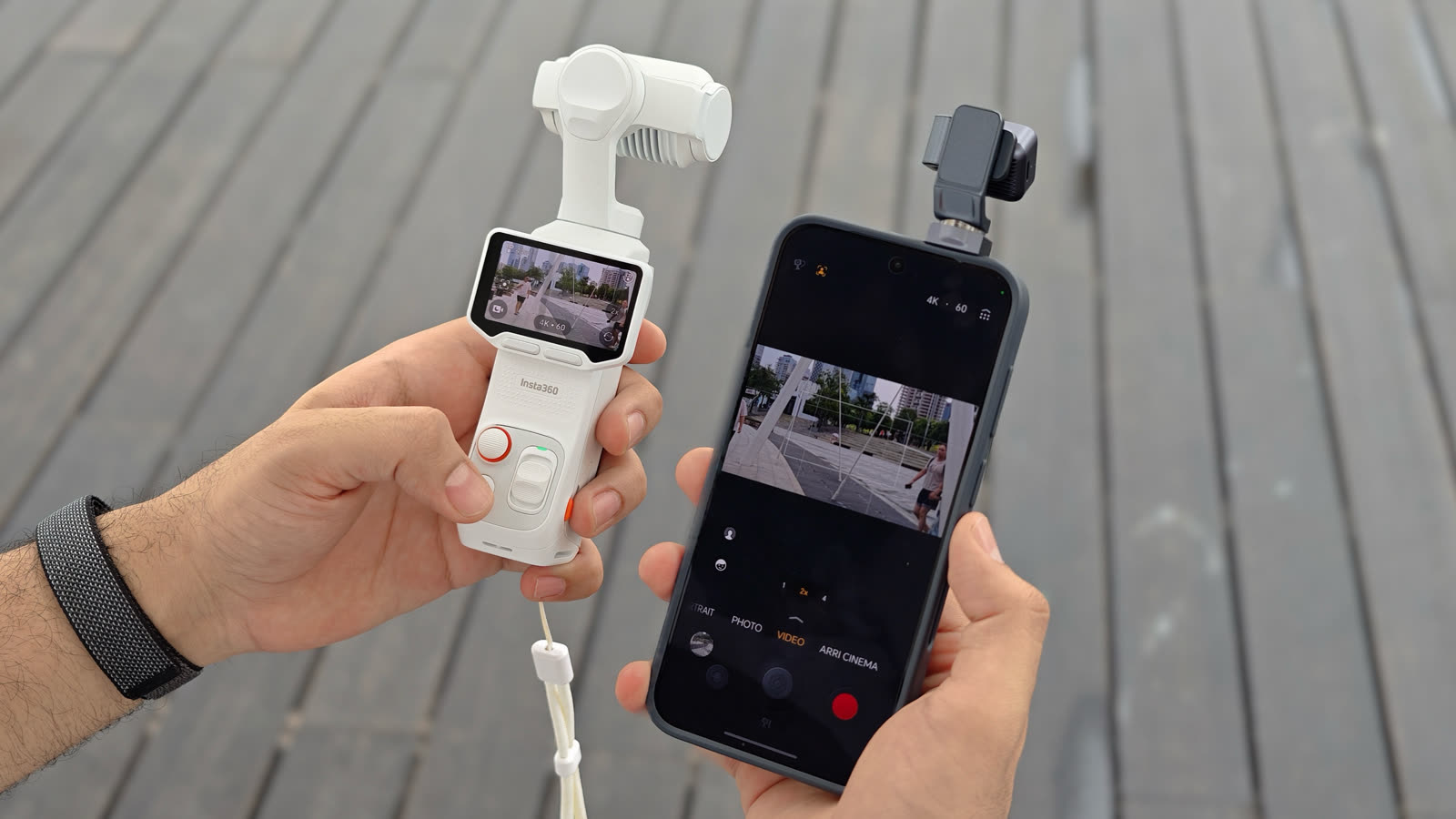
Luna Ultra stays a camera. The manual lists Cosmic Black at 233 g and Stellar White at 235 g, notes a manufacturing tolerance, and lists a 2.0 inch OLED touchscreen at 1000 nits, USB-C 3.0, and four microphones: three on the body and one on the detachable screen. Body size on the Luna Ultra column is 52.4 x 169.9 x 38.5 mm. The HONOR pages fetched for this article do not print a phone body weight or a phone body size. [6]
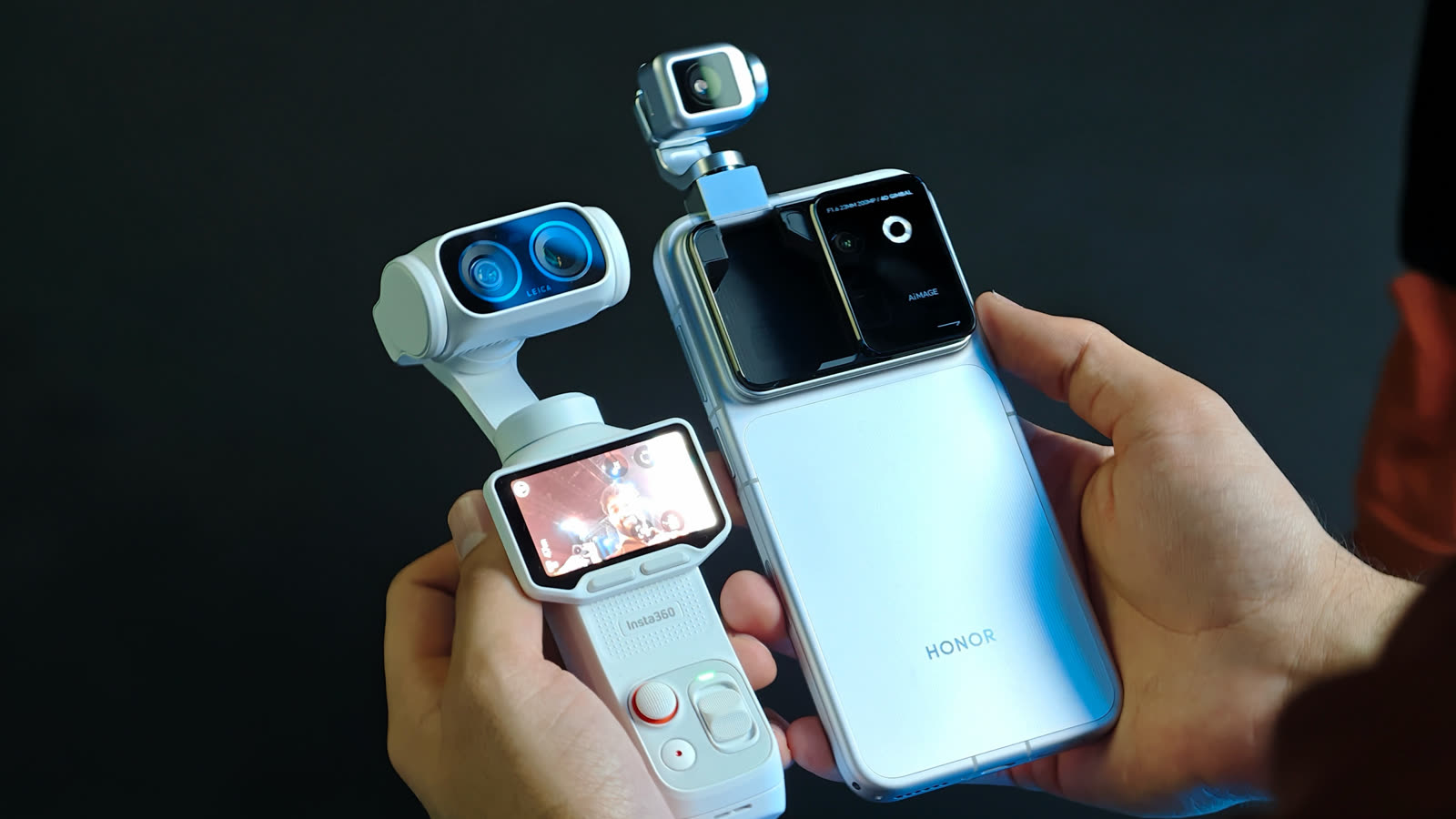
The dominant failure mode on the phone is a stopped arm. Pan, tilt, roll, and the flip all run through that assembly. HONOR’s China product page offers one free gimbal repair if the arm is accidentally damaged within one year (云台无忧换). That line is on the China page. It is one repair, and it is not a service map for another country. Prevent a dead shoot by checking that the arm still completes the move you need before you leave the charger behind. [1]
The speed numbers use different units
HONOR’s China product page and the August 12 statement both print control speeds up to 360° per second. The statement gives the titanium gimbal motor as 2.6 g. The global and China product pages print machining precision of 0.005 mm. Insta360 prints a different 0.005: jitter suppression of ±0.005°, plus a maximum control speed of 210.0°/s. A millimeter and a degree do not describe the same error. [1] [2] [3] [6]
Rule of thumb. If installed MagicOS is below 10, the China product note does not treat Robot Mode as ready. Update to MagicOS 10 or newer and to the latest YOYO agent, then open YOYO and enter the command. The English product note prints “Turn on Robot Mode.” The China note prints “开启机器人模式”. Speed has a second condition on both HONOR pages: gimbal speed changes by scene, and the maximum is exclusive to Robot Mode. [1] [3]
Worked example. Time for a 90° sweep at a published maximum:
t = angle / speed
For the Robot Phone, t = 90 / 360 = 0.25 seconds. That 360°/s figure is the published maximum, and only inside Robot Mode.
For Luna Ultra, t = 90 / 210 = 0.429 seconds when rounded to three decimals. The manual lists 210.0°/s as maximum control speed. It also lists a controllable pan range of -57° to 235°, pitch -57° to 120°, and roll -50° to 50°. A speed ceiling is not a promise that tracking uses that speed, and it does not extend travel past the printed range. [6]
Mode names differ across HONOR’s own pages. The global product page lists Default Stabilization, Pitch Lock, FPV, FPV Vertical, Super-Steady, and Rotational Motion, and it says a tap can start 90° and 180° rotational moves. The August statement names Tilt Lock, FPV, FPV Vertical, and AI SpinShot. The March preview also names 90° and 180° rotational moves, and it does not open sales. Use the names on the software build you receive. [2] [3] [4]
Optical zoom and crop are different paths
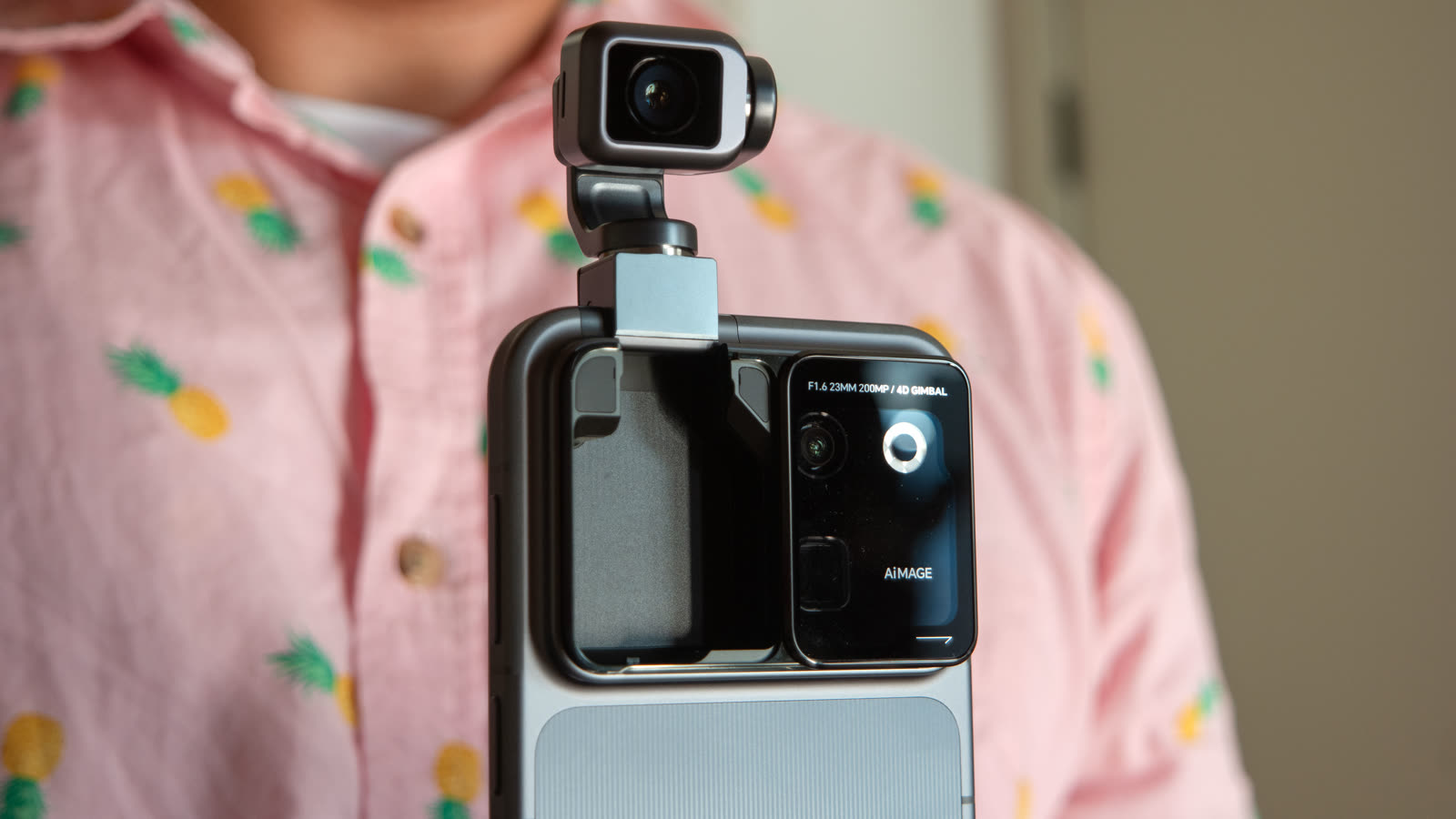
The moving head on the global product page is a 200MP, 1/1.28-inch, f/1.6 camera with OIS and 3-axis mechanical stabilization. The 2.7x optical zoom is a separate 200MP periscope: 1/1.4-inch, f/2.6, OIS, with a stated 200x digital-zoom maximum. The ultrawide is 50MP, f/2.0, 122°. Maximum pixel count requires High Res mode, and photo and video pixels change by mode. The shop spec for the 16GB+1TB SKU repeats that rear layout and adds a 2.5 cm macro claim on the ultrawide. [3] [5]
Worked example. If you crop the moving main sensor by the same 2.7 linear factor as the periscope:
area fraction = 1 / (2.7 * 2.7) = 1 / 7.29
1 / 7.29 rounds to 0.137, which is 13.7 percent of the sensor area. The periscope is the optical 2.7x path. This arithmetic uses the published zoom factor. These HONOR pages do not print that crop as a mode.
Luna Ultra’s manual puts a 1-inch f/1.8 lens at 20 mm equivalent and a 1/1.3-inch f/2.0 lens at 60 mm equivalent, each about 50MP, with minimum focus at 9 cm and 15 cm. The product page, fetched October 18, 2026, adds a further claim: up to 6x lossless zoom at 120 mm and up to 15x zoom at 300 mm. The manual does not call that 15x figure optical.
Rule of thumb. If the focal length you need is above 60 mm on the spec-manual pair, read the product page before you call the step optical. The 60 mm telephoto is the second lens in the manual. The 120 mm and 300 mm lines are product-page zoom claims, and only the 120 mm line is labeled lossless there. [6] [7]
The same manual page puts Luna Pro in the other column: release date September 10, 2026, a 1-inch main lens, and no telephoto line in that sensor cell. Weights in that column are about 215 g and 218 g. A Luna Pro body is not this comparison.
Vertical video, audio, and the storage you actually keep
The Luna product page says both lenses support 4K30fps vertical video with 6K oversampling, and that rotating the screen starts vertical capture. It also lists 4K at 120 fps, 1080p at 240 fps, and night video up to 4K60fps. HONOR’s global page lists recording up to 4K at 120 fps, and 4K at 30 fps on the portrait-beauty path. Those are mode lists. They do not rank sharpness. [3] [7]
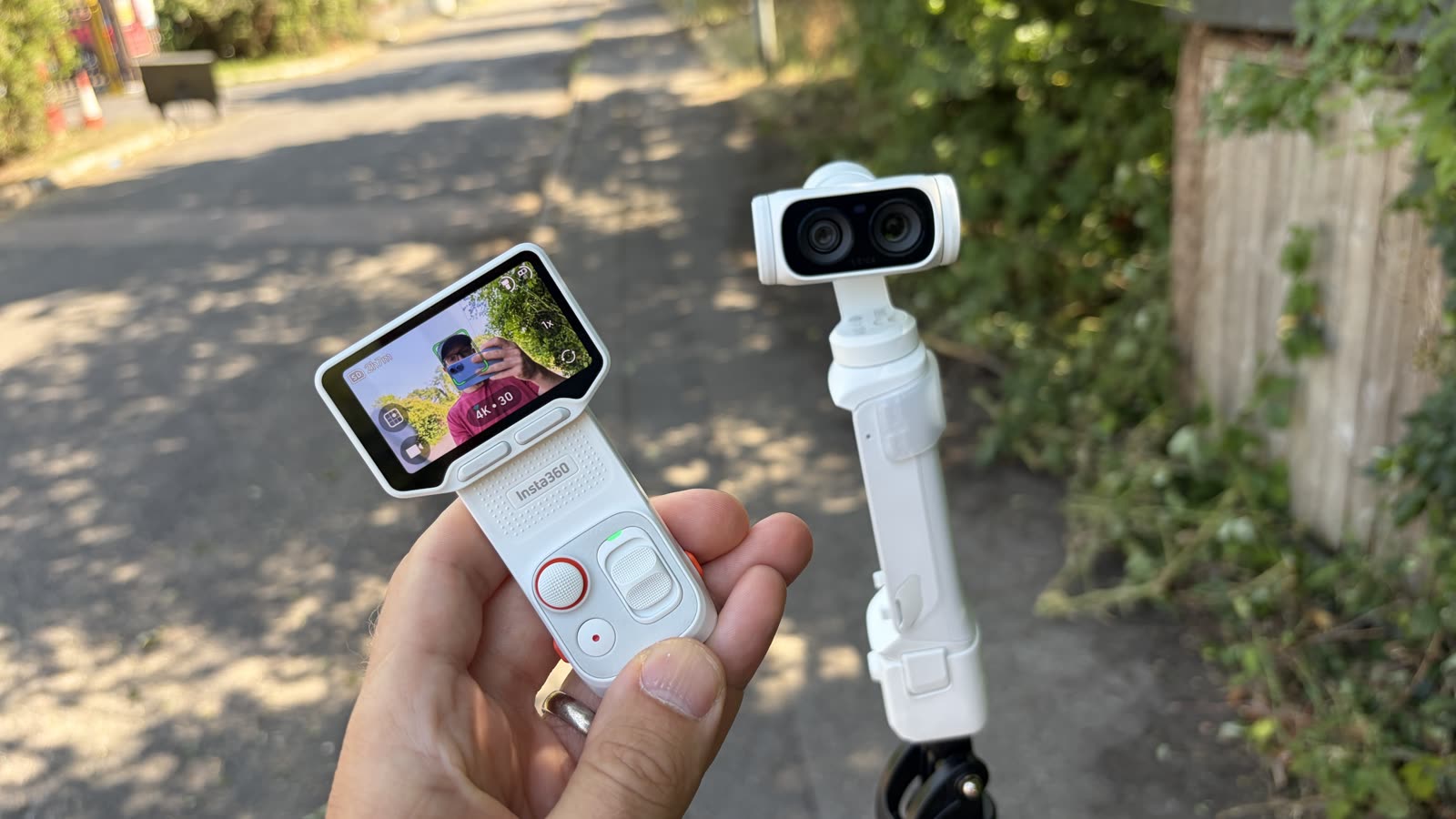
Both products list four microphones. HONOR’s global page calls them digital noise-canceling microphones and mentions gimbal zone audio that follows the moving camera. Luna’s manual splits the four as three on the body and one on the detachable screen. Neither page in this fetch is a side-by-side sound recording. [3] [6]
Storage decides whether the recording day stops early. Luna Ultra holds 47GB internally and accepts Lexar or SanDisk microSD cards up to 2TB over USB-C 3.0. The phone records into the same storage as apps, photos, and offline files. The August statement names two China configurations, 12GB with 512GB and 16GB with 1TB, and it prints China list prices that this page does not repeat. On October 18, 2026 the shop page for the 16GB+1TB 星轨银 dual-SIM 全网通版 says the item is not sold on its own (不能单独销售) and tells the buyer to choose it from the bundle recommendations on phone products (搭配推荐). The purchase flow shows a balance step marked 暂无, an arrival-notification control, and no reviews. Size the files you keep with the Android storage method. Workload, not the larger RAM number, is the question in how much RAM an Android phone needs. [2] [5] [6]
Battery figures answer two different questions. The global product note states 7,060 mAh typical and 6,880 mAh rated. Wired 120W is the original charger’s maximum, it varies by scene, and it requires the original charger and cable. Wireless charging is up to 50W and needs a separate HONOR wireless charger rated at least 50W. The August statement says the silicon-carbon battery “supports all-day endurance” and that the gift pack includes a 120W all-in-one charger. Luna’s manual states a 1,550 mAh pack in the camera and 210 mAh in the remote. The 240-minute runtime is 1080p at 24 fps, 25°C, screen off, Wi-Fi off. Charging on the Luna Ultra column is about 23 minutes to 80 percent and about 38 minutes to 100 percent at 15V/3A, camera off, 25°C, on a PD 3.0 PPS charger. A phone capacity and that lab runtime are not one endurance test. [2] [3] [6]
The Luna failure mode in the field is water or dust. The manual says the camera is not waterproof, not splashproof, and not dustproof, and it sets operating temperature at 0°C to 40°C. Keep spray, rain, sand, and dust off the body. [6]
Color tools on the two pages
HONOR’s August statement says the gimbal camera supports 10-bit ARRI LogC3 in ARRI CINEMA mode, noise reduction in the RAW domain, processing in 14-bit 4:4:4, and output of 10-bit LogC3 and 4:2:2. It pairs LogC3 with ARRI Wide Gamut 3 and ARRI Looks, and it states an 8 dB video SNR improvement from AI noise reduction and up to 14 stops of dynamic range. The global page adds 10-bit 4:2:2 APV, a 2.39:1 frame, LUT monitoring, and DaVinci Resolve compatibility. Those pages do not print the SNR chart or the dynamic-range method. [2] [3]
Insta360’s product page lists 10-bit I-Log with a claim of 14 stops, ACES, and Leica profiles including Leica Natural, Leica Chrome, and Leica Vivid. The same page says DaVinci Resolve natively supports Insta360 I-Log2. The 1-inch lens block also says up to 14 stops. Two “14 stops” lines, on two brands, still need the method each page left off. [7]
For a grade, match the log name to the editor on the build you record. HONOR’s monitoring screen is the phone display: 6.31 inches measured on a standard rectangle, visible area slightly smaller, peak brightness up to 6,800 nits from HONOR Lab. Luna’s manual lists a 2.0 inch, 318 x 564 OLED at 1000 nits and 60 Hz, and the product page calls that screen a detachable monitor. Brightness figures with different lab notes do not crown an outdoor monitor. [3] [6]
The China sales clock is not a camera purchase
March 1, 2026 is the preview. August 12, 2026 is the China sales statement, with official China sales at 10:08 AM on August 18. The statement says a commercial rollout is beginning. The only sales times it prints are the China times above. The shop spec lists 上市时间 as August 2026 for this 16GB+1TB SKU, and the same page blocks a standalone sale. [2] [4] [5]
Outside China, the phone decision is a second decision. Bands are absent from the shop spec block fetched here. Software region, network behavior, and warranty identity are the checks in the China-version and global-version phone guide. Update length is model and region, which is the point of the Android update support explainer. Luna Ultra’s June 10, 2026 manual date does not settle local repair either. It does keep your phone and your camera as two objects, so a gimbal fault on the camera is not a fault in the phone you use for calls.
If a China unit is already in hand, do the first setup of a new Android phone, then confirm the robot-mode command on the installed YOYO build. The China repair line and the MagicOS 10 note still govern that unit. Figures on this page stay with the HONOR or Insta360 page that prints them. Lab footnotes stay lab footnotes. The March 1, 2026 note is a preview. The August 12, 2026 statement is the China sales clock. Last updated October 18, 2026.
Who should carry which device
Scroll horizontally to view all table columns.
| Creator priority | Fit | Why | What to prevent |
|---|---|---|---|
| Capture, edit, and upload on one Android phone | Robot Phone | The phone is the camera and the editor | A stopped arm, and a MagicOS build below 10 when you need Robot Mode |
| A recording day with a separate grip, card, and microphones | Luna Ultra | 47GB plus a card, four mics, and a 20 mm / 60 mm pair in the manual | Water, dust, and reading the Luna Pro column by mistake |
| 2.7x optical plus an ultrawide on the same body as the moving head | Robot Phone | Periscope and ultrawide are separate from the moving head | Treating a 2.7x crop of the moving sensor as that periscope |
| Reach past 60 mm on Luna | Check the product page | 6x at 120 mm is labeled lossless. 15x at 300 mm is a zoom claim | Calling the whole range optical |
| A locally supported primary phone outside China | Wait for a sales page that names that country | The August statement’s sales clock is China | Paying from the March preview or from an import with China service text |
| An endurance winner from the printed battery lines | Neither figure | 7,060 / 6,880 mAh is phone capacity. 240 minutes is a 1080p/24 lab runtime | Shooting 4K with the screen on and quoting 240 minutes |
A China-based creator who already has a solo shot the arm will repeat, and who accepts that the 16GB+1TB shop SKU is not sold alone, has the clearest phone reason. Everyone else who needs a pocket gimbal camera for the recording itself has the clearer path in Luna Ultra’s own manual, provided the body stays inside that manual’s water and dust lines.
FAQ
Does Luna Ultra stand in for every pocket gimbal camera?
No. This page uses Luna Ultra because Insta360 publishes a hardware manual and a product page for that model. The manual’s other column is Luna Pro, with a later release date and no telephoto line. Another pocket gimbal camera uses its own lens, range, and storage.
Does the 240-minute Luna figure cover 4K with the screen on?
No. The manual measures 240 minutes at 1080p/24 fps and 25°C, with the screen off and Wi-Fi off. A 4K clip with the screen on is outside that condition.
Can the 16GB/1TB China shop SKU be checked out on its own?
No. The page fetched on October 18, 2026 says this item is not sold on its own and points buyers to bundle recommendations. It also shows a balance step marked 暂无, an arrival notification, and no reviews.
Sources & methodology7 sources
Evidence used for this article. Links open the original source in a new tab.
- HONOR Robot Phone product page (China) — HONOR
- HONOR Launches Revolutionary Robot Phone — HONOR Global
- HONOR Robot Phone product page (global) — HONOR Global
- HONOR MWC 2026: Robot Phone preview — HONOR Global
- HONOR Robot Phone 16GB+1TB shop page — HONOR China shop
- Luna Ultra hardware specifications — Insta360
- Luna Ultra product page (China site, fetched 18 October 2026) — Insta360
TasteOfAndroid is responsible for this page. The byline, method and commercial relationships are on the editorial policy and the author page.
Related Articles
Choosing Waterproof Phone Cases: IP Ratings, Seal Condition and Fit
Compare rigid waterproof phone cases and pouches by model fit, manufacturer-rated use, closure condition and controls. Understand the limits of phone barometer checks.
Pocket Casts vs AntennaPod: Choose and Move Your Podcasts
Choose Pocket Casts or AntennaPod by playback controls and sync needs, then move subscriptions with OPML while protecting listening progress and settings.
Xodo vs Flexcil: PDF Annotation and Signing on Android
Study marks, a visual signature, and a signing request are different jobs. Follow the public steps, then reopen a copied PDF. These pages do not name a winner or a price.